
Psychiatry questions
10 free psychiatry sample questions across 13 subject areas. Full rationales included, no account required.
Psychiatry free questions
Subject areas
See the full breadth of psychiatry in the bank, every subject area below. You get 10 free samples to taste the quality.
13 subject areas · 363 questions in the full bank · 10 free samples shown
Sample questions
Select an answer, press Check answer, and read the rationale with a breakdown of every option.
Question 1
anxiety disorders · generalized anxiety disorder
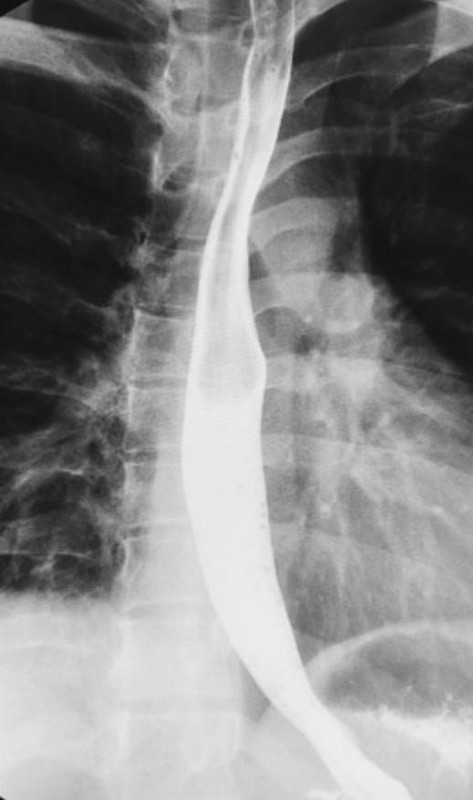
A 52-year-old woman presents to a community health clinic with a persistent sensation of a "foreign body" or "lump" in her throat, particularly noticeable after eating or during stressful periods. She describes it as an intermittent feeling in the lower neck/mid-sternal region, which is present even when not eating, but sometimes feels worse when she swallows her own saliva. She reports being able to consume both liquids and solids without difficulty, and denies any pain, regurgitation, heartburn, or weight loss. She mentions having similar episodes over the past year, which her primary care physician previously investigated with an upper endoscopy that was unremarkable, and a cardiac workup including an electrocardiogram that showed no abnormalities. She has no significant past medical history apart from chronic mild anxiety managed non-pharmacologically and denies using any regular medications. On examination, her vital signs are stable: temperature 36.8°C, blood pressure 130/85 mmHg, pulse 75/min, respirations 14/min. Oropharyngeal examination is unremarkable. A recent barium swallow also showed no structural abnormalities or significant motility issues. Given her history and findings, what is the most likely diagnosis and the appropriate initial management approach?
Laboratory Results
| Parameter | Value | Reference Range |
|---|---|---|
| TSH | 1.8 mIU/L | 0.4-4.0 mIU/L |
| Complete Blood Count | Within normal limits | N/A |
Select the best answer
Question 2
developmental psychology · attention deficit hyperactivity disorder
A 12-year-old female, diagnosed with Attention-Deficit/Hyperactivity Disorder (ADHD), has been stable on a psychostimulant medication for the past six months. Her parents express concern during a routine follow-up in an outpatient clinic. They report that she has recently seemed more withdrawn, occasionally complains of mild abdominal discomfort after taking the medication, and has experienced a noticeable decline in her growth trajectory. Her current height and weight are at the 25th percentile for her age, a significant drop from the 45th percentile recorded prior to initiating the medication. On physical examination, she is alert and cooperative, appears proportional, and her general examination is unremarkable, though she seems somewhat slender. Lab results are within normal limits. Given these findings, what is the most critical management consideration and which specific physiological parameter should be closely monitored for expected improvement?
Laboratory Results
| Parameter | Value | Reference Range |
|---|---|---|
| Hemoglobin | 135 g/L | 120-155 g/L |
| White Blood Cell Count | 7.8 x 10^9/L | 4.5-13.5 x 10^9/L |
| Sodium | 139 mmol/L | 135-145 mmol/L |
| Potassium | 4.1 mmol/L | 3.5-5.0 mmol/L |
| TSH | 2.1 mIU/L | 0.5-4.0 mIU/L |
Select the best answer
Question 3
eating disorders · anorexia nervosa
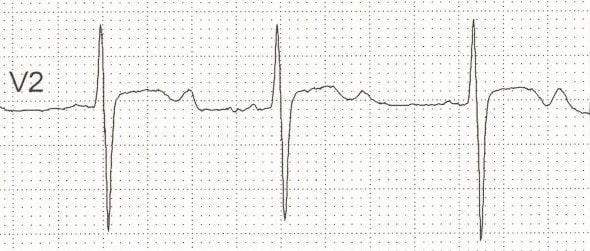
A 20-year-old female is transferred to a general medical inpatient unit after initial assessment in the emergency department. Her family reports a progressive decline in her physical and emotional state over the past 8 to 10 months, including significant weight loss and increasing social isolation. They recount instances of her meticulously portioning food, then surreptitiously discarding it, and frequent, prolonged periods spent exercising. She often complains of feeling cold, despite warm ambient temperatures. On examination, she is noticeably cachectic, with a Body Mass Index of 13.5 kg/m^2. Her skin is dry and cool to touch, and there is fine, downy hair (lanugo) noted on her back and arms. Vital signs include a temperature of 36.1°C, blood pressure 88/58 mmHg, pulse 55 beats/min, and respirations 14/min. Auscultation reveals a quiet heart with no murmurs. Neurological exam is non-focal. Initial laboratory results reveal several abnormalities. An electrocardiogram performed upon admission showed prominent U waves. Considering her presentation, what is the most appropriate primary diagnosis and the most critical immediate stabilization strategy?
Laboratory Results
| Parameter | Value | Reference Range |
|---|---|---|
| Hemoglobin | 105 g/L | 120-150 g/L |
| White Blood Cells | 3.5 x 10^9/L | 4.0-11.0 x 10^9/L |
| Serum Potassium | 2.8 mmol/L | 3.5-5.0 mmol/L |
| Serum Magnesium | 0.65 mmol/L | 0.70-1.10 mmol/L |
| Serum Phosphate | 0.8 mmol/L | 0.8-1.4 mmol/L |
| Serum Glucose | 3.8 mmol/L | 3.9-5.6 mmol/L |
Select the best answer
Question 4
gender and sexuality disorders · paraphilia
A 28-year-old male presents to an outpatient clinic, reporting long-standing recurrent intrusive urges and fantasies involving touching or rubbing against non-consenting individuals in crowded public spaces, particularly public transportation. These urges have persisted for over six months, causing him significant personal distress and impairing his ability to maintain stable relationships due to preoccupation and shame. He denies any recent legal troubles but expresses a strong desire to gain control over these urges and improve his overall well-being. He reports good general health, no significant medical history, and is not currently on any prescription medications. He denies any current substance abuse or history of head trauma or seizures. Physical examination reveals an alert and cooperative 28-year-old male. Vital signs are stable: BP 120/78 mmHg, HR 72 bpm, RR 16 breaths/min, Temp 36.8°C. General appearance is unremarkable, and he is oriented to time, place, and person. No acute distress is observed. Neurological examination is non-focal. There are no signs of trauma or acute intoxication. Given these findings, what is the most appropriate initial diagnostic consideration and the cornerstone of the management strategy?
Laboratory Results
| Parameter | Value | Reference Range |
|---|---|---|
| Hemoglobin | 145 g/L | 130-170 g/L |
| White Blood Cell Count | 7.5 x 10^9/L | 4.0-11.0 x 10^9/L |
| Platelets | 280 x 10^9/L | 150-450 x 10^9/L |
| Sodium | 140 mmol/L | 135-145 mmol/L |
| Potassium | 4.2 mmol/L | 3.5-5.0 mmol/L |
| Creatinine | 70 µmol/L | 50-100 µmol/L |
| Glucose | 5.1 mmol/L | 3.9-6.1 mmol/L |
| Urinalysis Specific Gravity | 1.015 | 1.005-1.030 |
| Urinalysis Protein | Negative | Negative |
| Urinalysis Glucose | Negative | Negative |
| Urine Drug Screen | Negative for illicit substances | Negative |
Select the best answer
Question 5
impulse control disorders · conduct disorder
A 9-year-old girl, who was recently diagnosed with Attention-Deficit Hyperactivity Disorder (ADHD), presents for a follow-up visit at an outpatient clinic. Her parents report that despite initiating a behavioral modification plan at school and home, she continues to struggle. While her inattention has shown slight improvement with visual cues, her impulsivity remains problematic. She frequently interrupts conversations, has difficulty waiting her turn, and sometimes lashes out at her younger sibling when frustrated. Her teachers note increasing defiance, with the girl refusing to follow instructions, arguing when corrected, and deliberately annoying her peers. She has recently been suspended for one day for verbally disrespecting a teacher. Her parents express concern that the ADHD treatment alone might not be sufficient. During the clinic visit, she is restless, fidgets continuously, and struggles to maintain eye contact, often redirecting the conversation to topics of her interest, but also displays irritability when asked direct questions about her behavior at school. Considering her current presentation, what is the most likely additional diagnosis and the initial management strategy for this patient?
Laboratory Results
| Parameter | Value | Reference Range |
|---|---|---|
| Thyroid Stimulating Hormone (TSH) | 2.5 mIU/L | 0.4-4.0 mIU/L |
| Sodium | 138 mmol/L | 135-145 mmol/L |
| Potassium | 4.0 mmol/L | 3.5-5.0 mmol/L |
| Chloride | 102 mmol/L | 98-107 mmol/L |
| Bicarbonate | 24 mmol/L | 22-29 mmol/L |
Select the best answer
Question 6
major neurocognitive disorders · dementia
A 75-year-old woman is brought to the clinic by her daughter due to a 6-month history of progressive difficulty walking, urinary urgency, and forgetfulness. Her gait has become noticeably wide-based and shuffling, and she frequently experiences urinary incontinence. Her daughter also reports that the patient has had increasing trouble managing finances and remembering recent events. There is no history of head trauma, alcohol abuse, or recent infections. On physical examination, her vital signs are stable. Neurological examination reveals a broad-based, magnetic gait with difficulty initiating turns. Muscle strength and sensation are intact. Deep tendon reflexes are normoactive, and there are no focal neurological deficits or tremor. Her Mini-Mental State Examination (MMSE) score is 23/30, primarily demonstrating deficits in recall and executive function. An initial non-contrast computed tomography (CT) scan of the brain shows enlarged cerebral ventricles out of proportion to sulcal atrophy. Lab results, including complete blood count, electrolyte panel, thyroid stimulating hormone, and vitamin B12 levels, are all within normal limits. Considering the presenting symptoms and initial imaging findings, what is the most appropriate next diagnostic step and the definitive long-term management strategy for this patient?
Laboratory Results
| Parameter | Value | Reference Range |
|---|---|---|
| Vitamin B12 | 450 pmol/L | 150-700 pmol/L |
| Thyroid Stimulating Hormone (TSH) | 2.1 mIU/L | 0.4-4.0 mIU/L |
| Serum Sodium | 138 mmol/L | 135-145 mmol/L |
| Serum Potassium | 4.0 mmol/L | 3.5-5.0 mmol/L |

Select the best answer
Question 7
mood disorders · bipolar disorder
A 38-year-old woman is brought to an outpatient psychiatric clinic by her distressed family who report significant behavioral changes over the past two weeks. She presents with pressured speech, jumping rapidly from one topic to another, often declaring herself "the true spiritual leader destined to unite all nations." Her family states she has been sleeping only 2-3 hours a night, yet reports feeling fully energized. She recently made several large, impulsive online purchases totaling over 20,000 CAD, including multiple luxury watches and a trip to Antarctica, despite her limited income. She frequently engages strangers in detailed discussions about her "divine mission" and has become increasingly irritable when her family attempts to set limits or discuss her medication. Her family also notes she was previously prescribed lithium for a diagnosed mood disorder but has been openly refusing to take it for several months, stating it dulls her "clarity of thought." She appears disheveled, with brightly colored, mismatched clothing, and displays prominent psychomotor agitation during the interview. Given her current presentation, which of the following represents the most appropriate initial management strategy and a critical complication to anticipate during stabilization?
Laboratory Results
| Parameter | Value | Reference Range |
|---|---|---|
| Serum Lithium | 0.1 mmol/L | 0.6-1.2 mmol/L (therapeutic range) |
| TSH | 2.8 mIU/L | 0.4-4.0 mIU/L |
| Serum Creatinine | 75 umol/L | 45-90 umol/L |
Select the best answer
Question 8
obsessive compulsive disorder
A 35-year-old man presents to the clinic expressing significant distress over persistent, intrusive thoughts that he has made a critical error in his professional work, despite multiple verifications. He understands these thoughts are irrational and that his work is consistently accurate, yet they preoccupy him for several hours each day. He experiences vivid mental images of disastrous consequences stemming from these imagined errors, which provoke intense anxiety. To alleviate this anxiety, he feels compelled to repeatedly review his completed projects, check his emails for specific confirmations up to 20 times per hour, and seek constant reassurance from his colleagues about the quality of his work. This behavior has led to a significant decline in his productivity and strained his professional relationships, causing him to worry about losing his job. He reports no changes in his sleep or appetite and denies feelings of persistent sadness or anhedonia. What is the most likely diagnosis and the most appropriate initial pharmacological management strategy for this patient?
Laboratory Results
| Parameter | Value | Reference Range |
|---|---|---|
| White Blood Cell Count (WBC) | 8.5 x 10^9/L | 4.0-11.0 x 10^9/L |
| Thyroid Stimulating Hormone (TSH) | 2.1 mIU/L | 0.4-4.0 mIU/L |
| Serum Electrolytes | Within normal limits | Standard ranges |
Select the best answer
Question 9
pharmacology · tricyclic antidepressants
A 28-year-old woman with a history of major depressive disorder is brought to the emergency department after being found unresponsive at home. Her family reports she has recently been struggling with adherence to her antidepressant medication regimen. On arrival, she is confused, disoriented, and exhibits generalized muscle twitching, prominent flushing, and markedly dilated pupils. Vital signs are: heart rate 130 beats/minute, blood pressure 85/50 mmHg, respiratory rate 22 breaths/minute, temperature 37.8°C, and Glasgow Coma Scale 10 (E3V3M4). Her initial electrocardiogram reveals sinus tachycardia with a significantly widened QRS complex measuring 140 msec, and prolonged QT interval. Given her clinical presentation and ECG findings, what is the most appropriate immediate management strategy, and what critical cardiac complication requires continuous monitoring?
Laboratory Results
| Parameter | Value | Reference Range |
|---|---|---|
| Glucose | 5.2 mmol/L | 3.9-6.1 mmol/L |
| Sodium | 138 mmol/L | 135-145 mmol/L |
| Potassium | 4.1 mmol/L | 3.5-5.0 mmol/L |
| Chloride | 102 mmol/L | 98-107 mmol/L |
| Bicarbonate | 22 mmol/L | 22-29 mmol/L |
| Creatinine | 70 mcmol/L | 44-97 mcmol/L |
| Urea | 5.0 mmol/L | 2.5-7.8 mmol/L |
| White Blood Cell (WBC) count | 12.5 x 10^9/L | 4.0-10.0 x 10^9/L |

Select the best answer
Question 10
psychotic disorders · schizophrenia
A 42-year-old woman with a history of schizophrenia attends her routine follow-up appointment at a specialized mental health clinic. Over the past five months, since her antipsychotic medication was transitioned from risperidone to olanzapine to better manage persistent thought disorganization, she reports significant improvement in her positive symptoms. However, she has gained approximately 10 kilograms during this period, now weighing 90 kg, up from 80 kg. She reports no significant changes in her dietary habits or physical activity, although she acknowledges increased familial stress recently. On physical examination, her blood pressure is 138/86 mmHg, heart rate 78 bpm, and BMI is 32.5 kg/m². What is the most appropriate initial management strategy for addressing her weight gain, and what is the primary neurobiological mechanism contributing to this adverse effect?
Laboratory Results
| Parameter | Value | Reference Range |
|---|---|---|
| Fasting Glucose | 6.8 mmol/L | < 6.1 mmol/L |
| HbA1c | 6.0% | < 5.7% |
| Total Cholesterol | 5.8 mmol/L | < 5.2 mmol/L |
| Triglycerides | 2.5 mmol/L | < 1.7 mmol/L |
| HDL-C | 0.9 mmol/L | > 1.0 mmol/L |
Select the best answer
Want the full question bank?
These are 10 samples. Subscribers get every question in Psychiatry with scoring, progress tracking and spaced review.